The launch of the new book It's on You, by George Loewenstein and Nick Chater, has had behavioral science circles talking. The intentionally provocative tone traces back to the same authors' 2022 paper, The i-Frame and the s-Frame: How Focusing on Individual-Level Solutions Has Led Behavioral Public Policy Astray.
The central argument criticizes the work of behavioral science applied to public policy — a field the authors themselves helped build — specifically around the level at which interventions operate. Loewenstein and Chater argue there's been an excessive focus on the "i-frame," the individual lens: interventions that try to change — and, in doing so, implicitly blame — people's behavior directly, by adjusting their choices, motivations, or decisions. Nudges, reminders, messages, framing, and incentives make up this toolkit.
These interventions are appealing for several reasons. They're relatively quick to implement, cheap, and politically viable — and in many cases, they work, improving the cost-effectiveness of public policy. They're genuinely useful artifacts for policy implementation.
But according to the authors, that focus comes with an invisible cost.
By concentrating efforts on changing individuals, we end up postponing or neglecting the "s-frame" (system frame): the structures, institutions, and infrastructure that shape and constrain behavior in the first place.
In other words, we try to change people when we should be changing systems.
But my point in this piece isn't to validate or challenge the authors' position. It's a different one: to illustrate the debate with a real experience.
In 2025, the Institute and Pólen, the innovation unit of Fiocruz's National School of Public Health (ENSP) in Rio, were invited to take part in a project where structural and socioeconomic factors weren't just relevant — they were dominant in explaining people's behavior. Our team boarded (in every sense of the word) Project NAVIO, a partnership between Fiocruz and the Brazilian Navy that brings healthcare to riverside communities in the Pantanal wetlands. As you'd expect, this population lives in isolation, facing steep barriers to accessing public policy and services in general. The project — our first of this kind — forced us to confront an uncomfortable question: what is the role of behavioral science in contexts where structural constraints are this dominant?
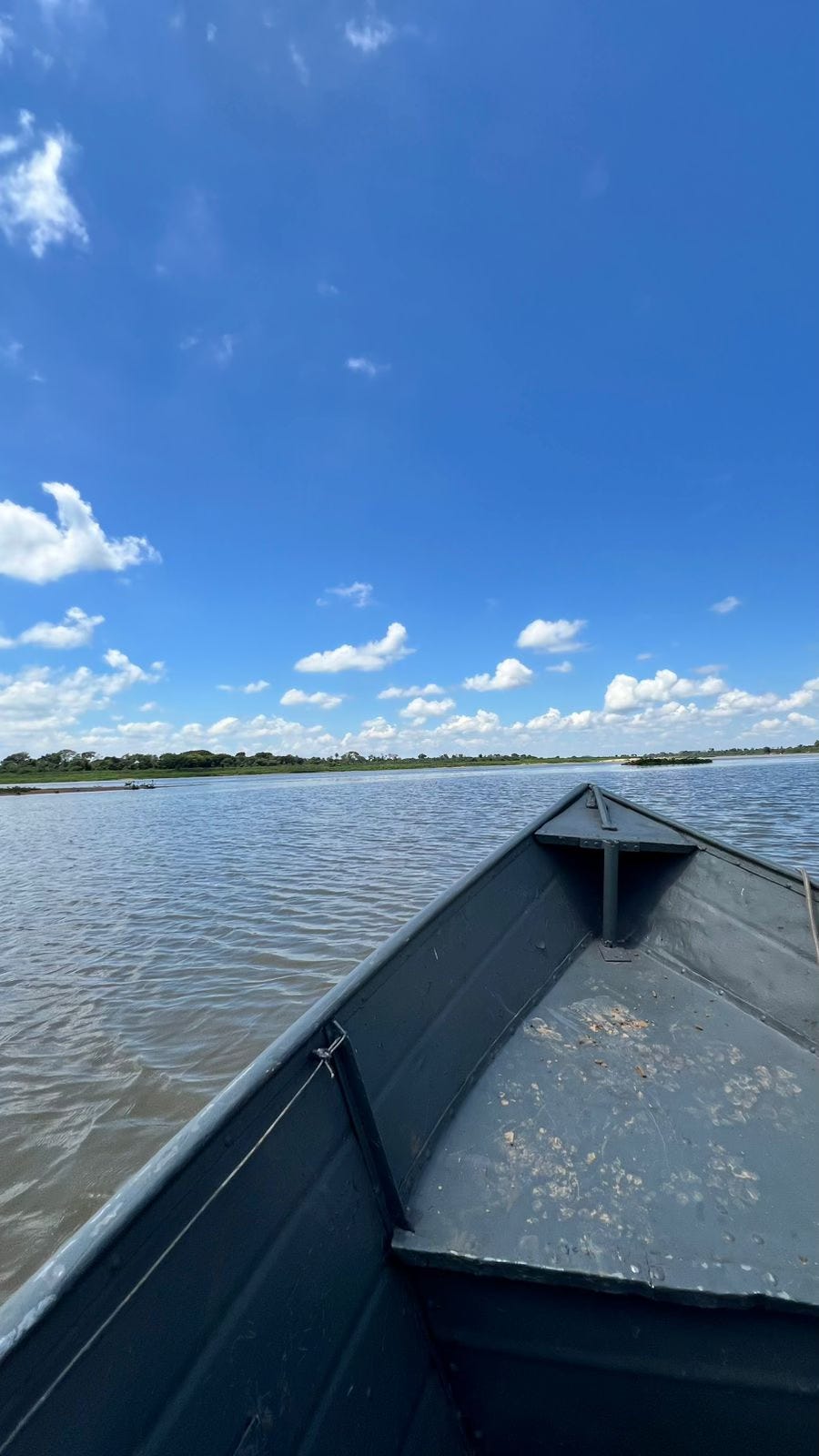
The team already knew the general challenges going in: nutrition, access to healthcare, education, socioeconomic vulnerability, domestic violence… But these broad terms, each hiding a complex challenge underneath, also carried a real lack of understanding of the specifics of the actual context.
Because of that, we knew any premature attempt to define the problem, diagnose it, and "intervene" ran the risk of being superficial — or simply ineffective.
So we started somewhere else.
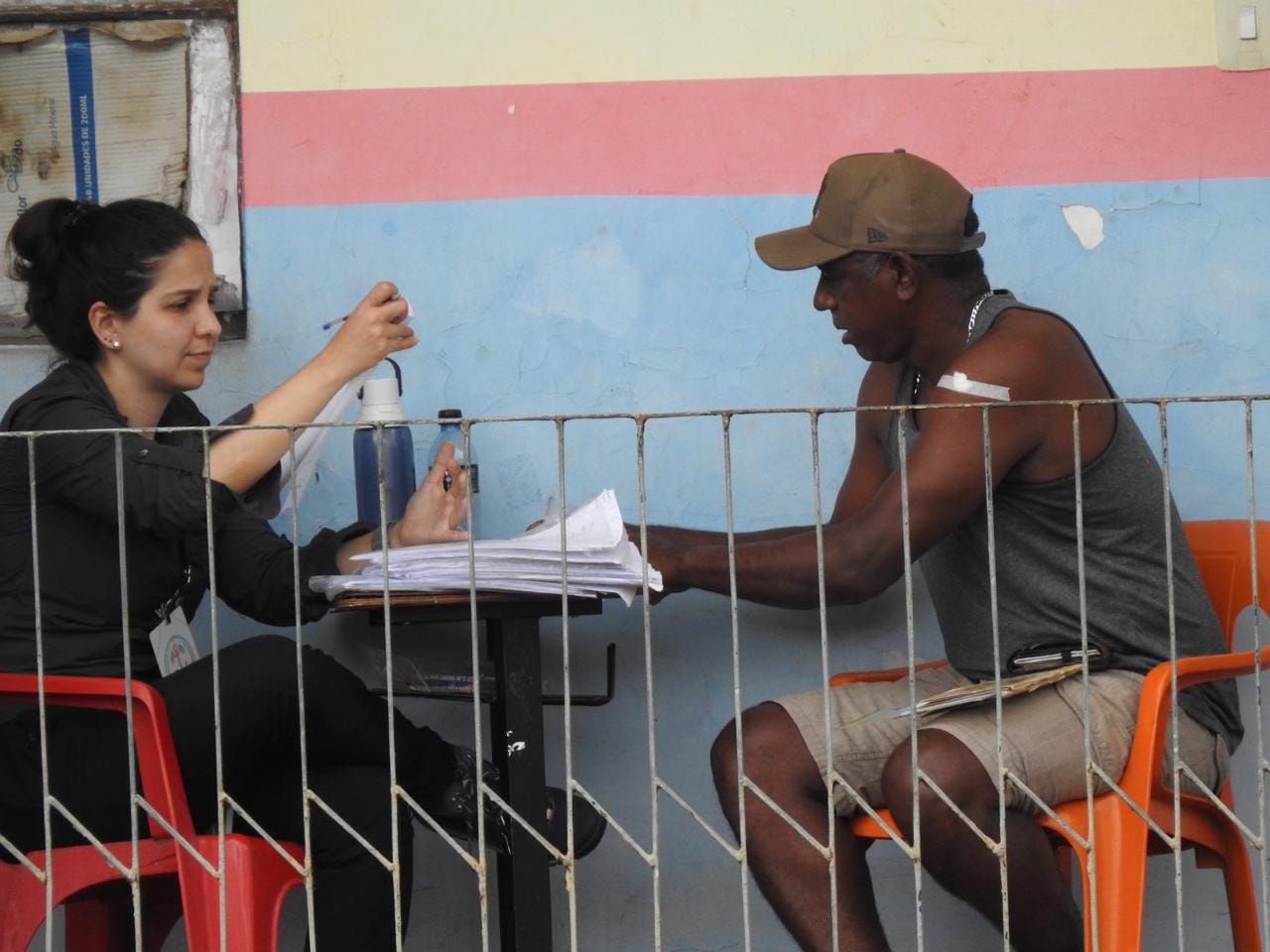
In December 2025, two behavioral scientists from our team set out on the Project NAVIO expedition (Navegação Ampliada para Vigilância Intensiva e Otimizada — roughly, "Expanded Navigation for Intensive and Optimized Surveillance"). Created in 2023, the project aims to anticipate risks and strengthen health surveillance in remote, vulnerable regions. Among its focuses is investigating how climate change and environmental factors influence the emergence and spread of disease, following a "one health" framework. The initiative is a collaboration between Fiocruz, Fiocruz Minas, the Brazilian Navy, and the health departments of the states of Mato Grosso and Mato Grosso do Sul.
Our role within the project, though, was substantially different from the rest of the teams involved.
Much of the operation focused on direct medical care and biological surveillance: clinical visits, collecting blood, stool, water, and sewage samples, lab analysis, and climate and genomic monitoring of pathogens in humans, animals, and the environment. Our focus was something else entirely.
While the project sought to identify pathogens, we sought to understand the system in which those risks emerge and persist — to identify barriers and enablers for healthier behaviors, tied to prevention and health promotion. We wanted to understand the routines, constraints, everyday decisions, and adaptation strategies of the people living there, and how those factors interact with community, structural, and environmental conditions.
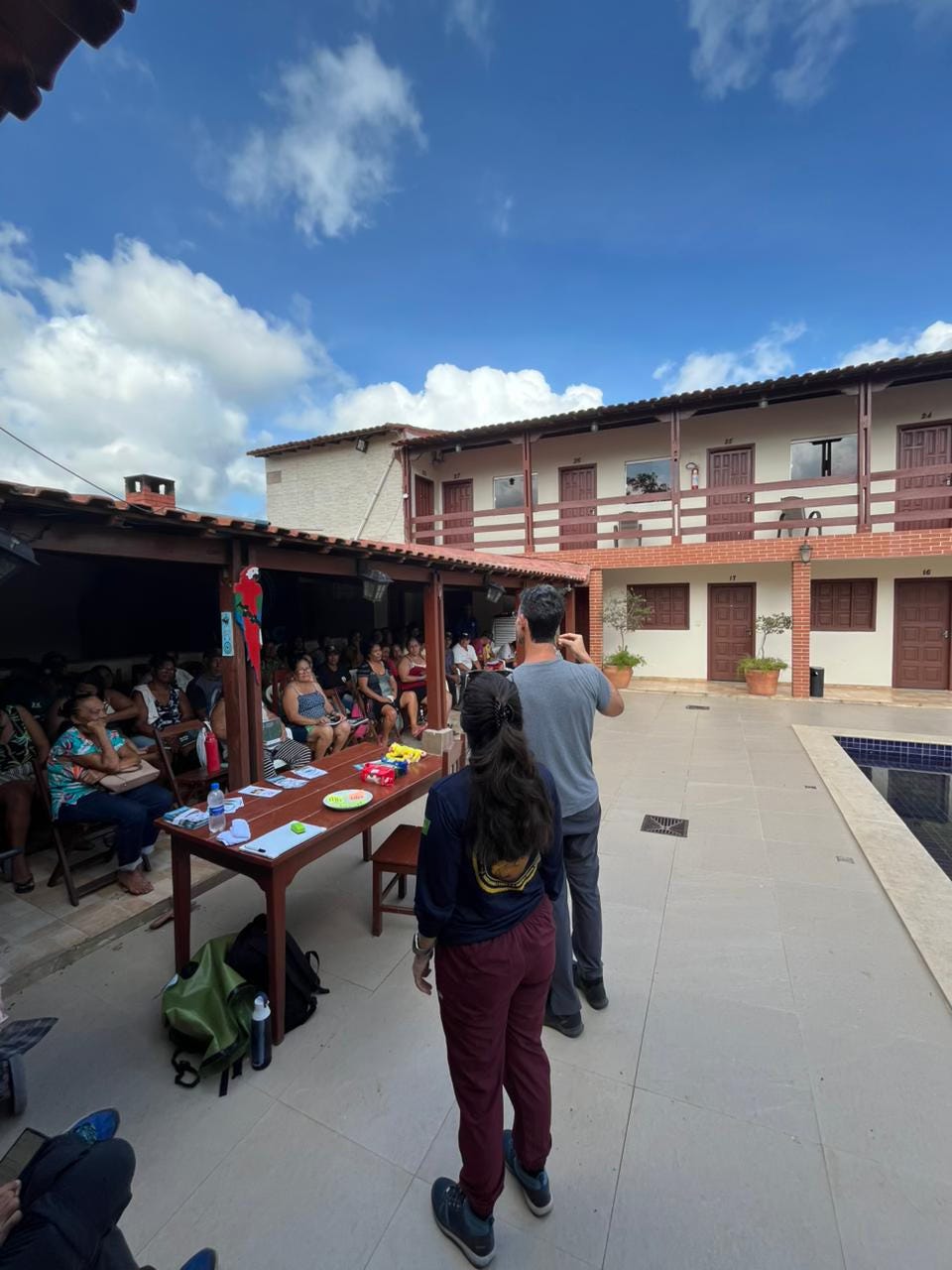
Over the course of the expedition, we conducted 47 semi-structured interviews, plus 35 habit-focused consultations (our own methodology) and direct observation of daily life. We talked to residents in their homes, in doorways, on porches, in the shade, or while they waited for care. We watched routines. We heard stories. We asked questions. And, most of the time, we just listened.
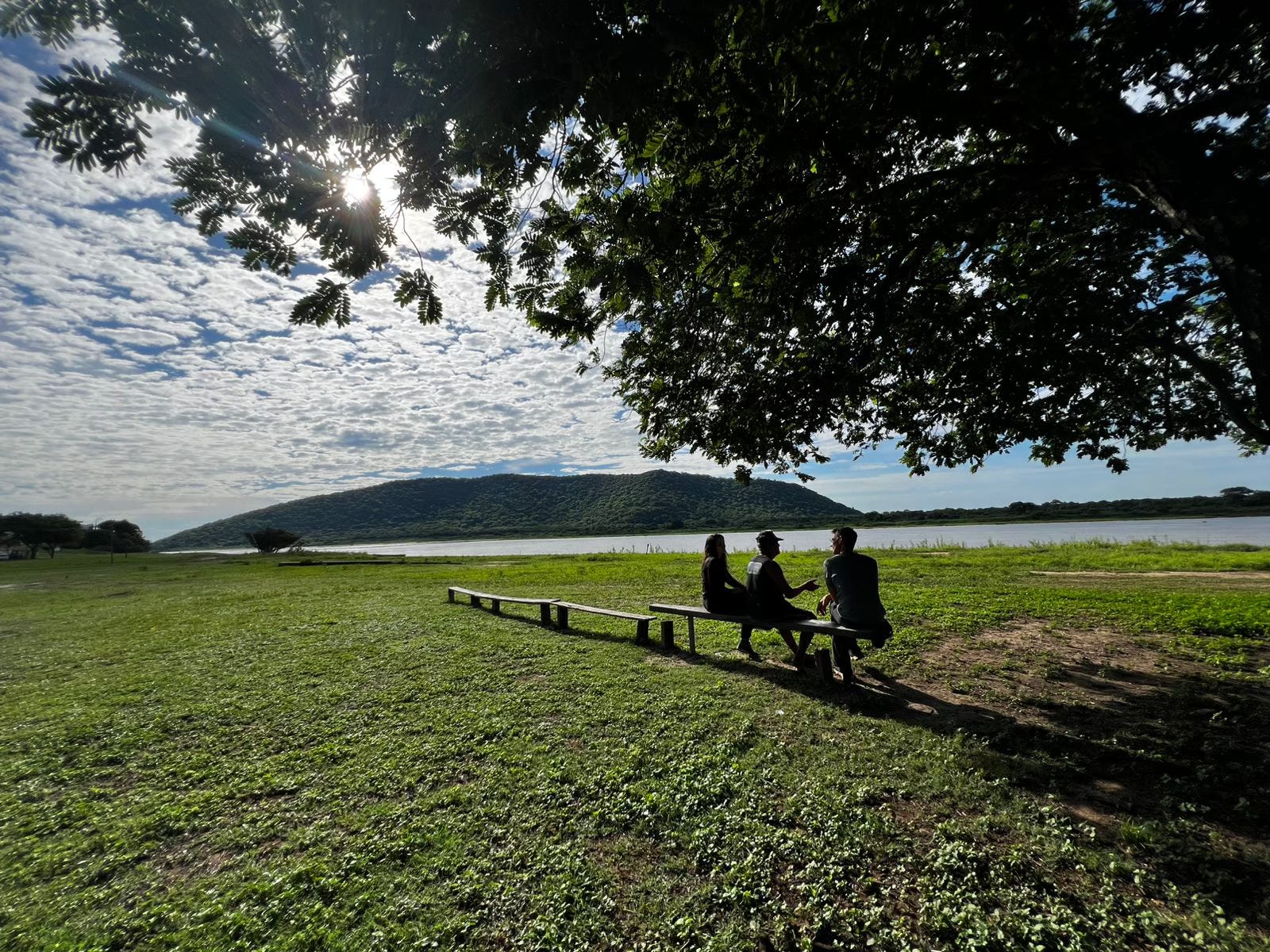
Even within structural constraints, there were opportunities to improve health. Elevated triglyceride levels, common in part of the population, could be reduced through changes like eating more boiled or grilled fish instead of fried. Lunch, often composed of fried potatoes, rice, beans, and meat, could in some cases be better balanced across macronutrients. The sedentary behavior observed during piracema (the fishing ban season) wasn't absolute either — small changes, like walking more often to visit relatives or neighbors, could shift daily physical activity levels and social connection without requiring any formal infrastructure. The isolation and loneliness present in certain communities could be eased by interventions that encourage more frequent, meaningful social interaction, supporting behaviors already possible within the local context: an afternoon game of dominoes, a chat on a neighbor's porch, unannounced visits, a shared thermos of chilled tereré, craft groups working with water hyacinth fiber — small local rituals that sustain bonds and give rhythm to everyday life. There's a real subset of individual behaviors that can be changed, even within major constraints.
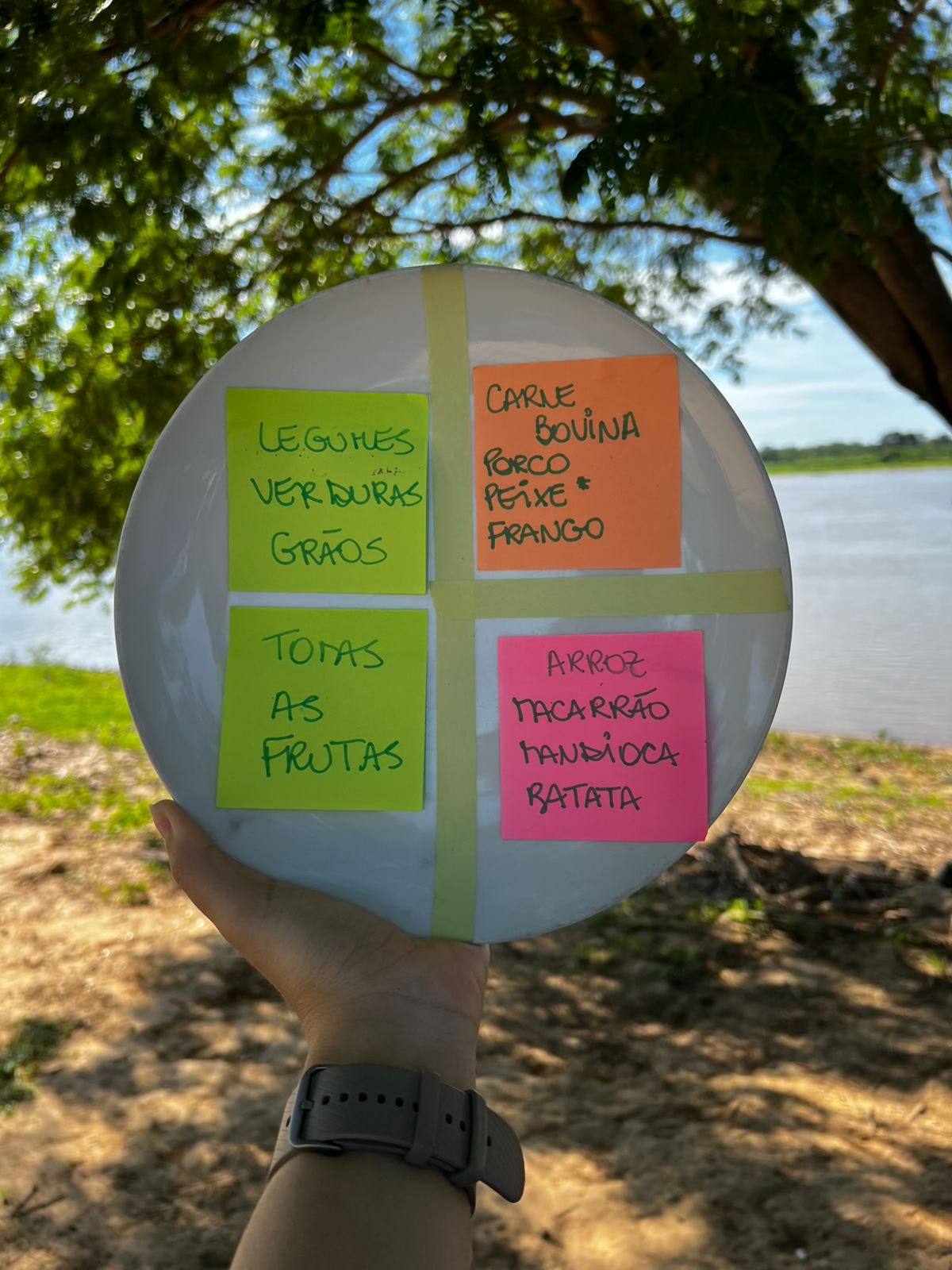
Back to the original question: what is the actual role of behavioral science in contexts where structural constraints are this dominant?
In part, the role remains the same: favoring better individual decisions within the space of options that already exists. Even when the system imposes major limitations, room for choice still exists, and supporting it can produce real, immediate gains — recognizing those limitations and their share of the picture, without resigning ourselves to inaction while the bigger barriers remain unsolved.
But the role of behavioral science doesn't stop there.
Perhaps its most important contribution lies at another level: supporting the design of more effective public policy. That means using our understanding of behavior and the factors that shape it to produce more accurate diagnoses of how people actually live, decide, and adapt to their contexts — and using that understanding to develop structural, systemic interventions with a higher chance of success. Policies often fail not for lack of intention or resources, but for lack of alignment with real human behavior. By incorporating behavioral factors, and mapping how structural aspects shape them, we can design solutions that are more realistic, better adopted, and more sustainable.
Until next time!

Enjoyed this? Subscribe to Café Comportamental for weekly essays in Portuguese, or explore more in Resources.