Around the world, the new year is the favorite date for fresh starts. In Brazil, we know that the real day to chase those resolutions comes a bit after January 1st: the Monday of Carnival is the "official" start of the year. With summer winding down and the holiday season over, a stable routine finally becomes realistic again. And Carnival's five days off (which often stretch into the following weekend, becoming ten) are, in themselves, a break — so the restart the following Monday goes through the same process as any other.
Pulling off those plans isn't a matter of superior willpower — it comes from developing skills to work with how you actually function. Much of that knowledge can be accelerated or made easier by studying behavioral science. The field draws on psychology, behavioral economics, neuroscience, and other cognitive and social sciences to understand what drives choices, actions, and behavior patterns — and how to influence them.
It's always worth remembering — and I remind myself of this too — that starting (or restarting) is much harder than the moment of performance once you're already riding the wave. Rebuilding the automaticity of a routine is the gap between feeling the effort and reaching flow. If you started the year swearing that things would finally click after Carnival — or if you had a good break over the holidays and are now struggling to get back — remember to make the path easier for your future self until that consistency comes back.
In the behavior change field, Behaviour Change Techniques (BCTs) are the compendium of all the irreducible ingredients that make up a change intervention. The taxonomy started with 93 identified BCTs (Michie et al., 2013). The most recent compilation includes 281, part of the Behaviour Change Technique Ontology (BCTO) (Marques et al., 2024). As an illustration, here are eight techniques that can help at this restart-of-routine moment, with examples of how to apply them to exercise:
- Decide in advance on a place and time of day for your workouts (including strength training) → planning
- Map out what tends to get in the way of that plan and build "if…then" plans for overcoming it → implementation intention
- Block off workout times in your work calendar → prior commitment
- Bring in a training partner (or a group), or check in remotely with someone → social commitment
- Write down each workout somewhere, tracking your progress → self-monitoring
- Put on your workout clothes right after waking up or getting home from work, to smooth the path there → removing friction
- Pair something pleasurable with the workout — small adventures on new routes on the weekend, or training with different friends → temptation bundling
- Small rewards after a workout, positively reinforcing the behavior → positive reinforcement
Knowing which technique to use, and when, isn't trivial. It's worth remembering that barriers and solutions are always highly personal, so "how" to implement a technique in a way that makes sense for you can look different from the list above. Habit Consultation, our individual care methodology grounded in this scientific field, lets you diagnose your own barriers and test strategies that work for you, through a testing process — in a much less superficial way than the list above. Our practitioners, behavioral scientists, have worked with nearly ten thousand patients, mapping routines and the causes behind habits breaking down and forming.
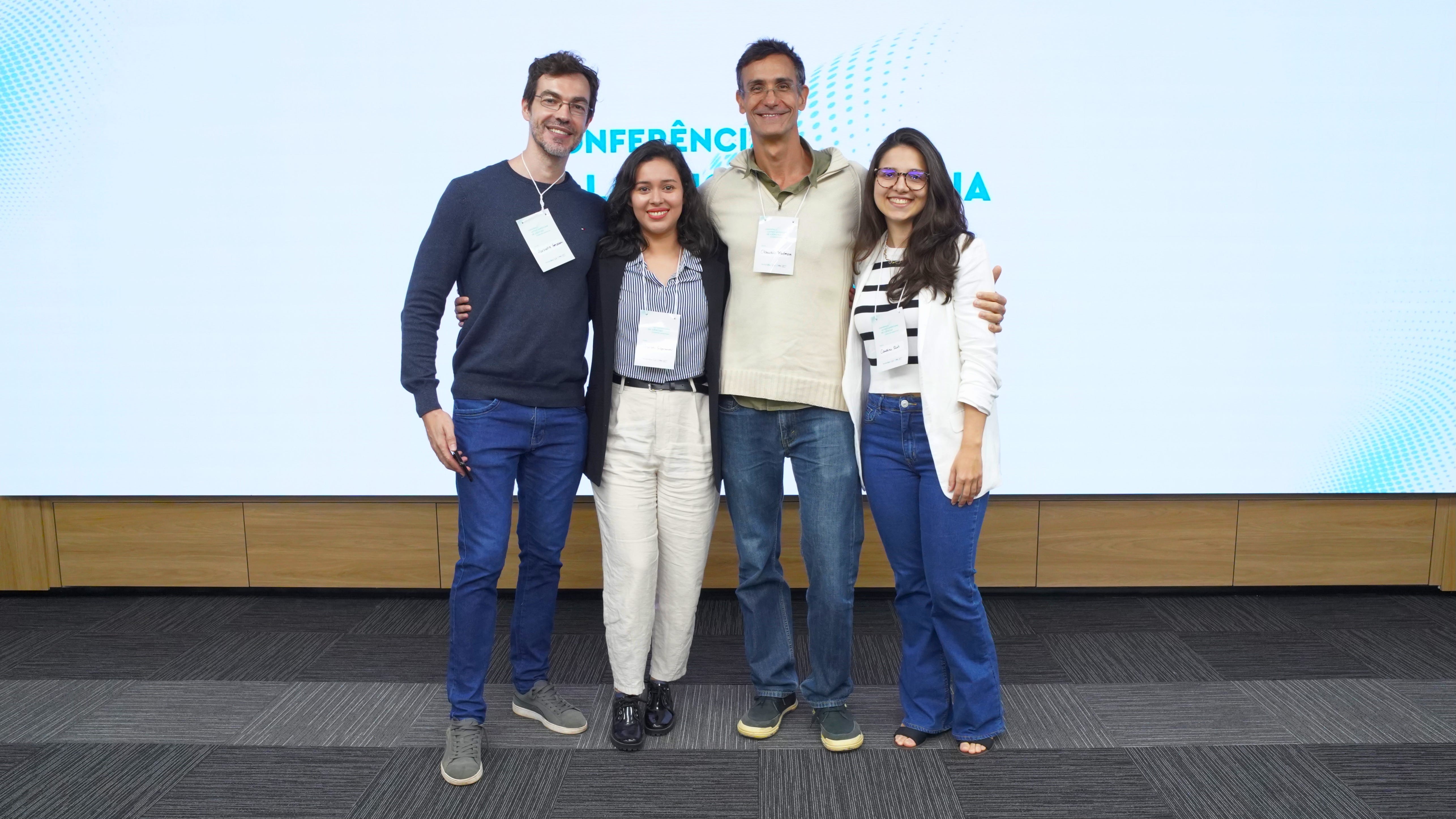
The consultation process is based on 7 steps:
1. Mapping the person and their context: in the first session, the behavioral scientist and the client get to know each other, building the rapport essential to the process's success. Using motivational interviewing techniques, we map personality traits, identity, and the client's main goals. This mapping includes a pragmatic analysis of the routines and contexts the client lives in, identifying and defining the behavioral challenges to work on, as well as their readiness — that is, the level of willingness and energy initially available to face each of these challenges.
2. Diagnosis: based on the initial mapping, the behavioral scientist guides the client in identifying the internal and external barriers influencing their behaviors. Strategic questions help surface the contexts in which behaviors occur, the feelings associated with them, and social influences. We also explore the client's existing repertoire, looking at solutions they've already tried or considered before. This diagnosis is grounded in the scientific literature, allowing us to form hypotheses for change.
3. Co-creating solutions: client and behavioral scientist work together to develop personalized solutions, based on the diagnosis and the hypotheses raised. This process includes explaining relevant behavioral concepts, empowering the client to understand and apply the proposed solutions while building autonomy. Co-creation ensures the strategies are realistic and adapted to each client's unique context.
4. Testing: we objectively define which behaviors will be observed and how results will be recorded. The client is encouraged to try the solutions in their day-to-day life, adopting a scientist's mindset: test, observe, and adjust as needed. If the joint analysis shows success, that demonstrates both the hypothesis and the strategies were well designed. If not, new findings may emerge, leading to a reformulated hypothesis or adjusted strategies as new barriers come to light. Importantly, there's no personal failure in this process — just as a scientist doesn't "fail" when an intervention turns out not to work: instead, they learn and gain new insight.
5. Follow-up and automation: the behavioral scientist stays in regular contact with the client to monitor how solutions are being implemented and make adjustments. As the desired behavior becomes more automatic, contact becomes less frequent, reinforcing the client's autonomy. This ongoing follow-up is crucial to consolidating new habits and decision-making skills.
6. New goals and scaling up: after the initial strategies are successfully implemented, client and behavioral scientist can explore new goals or broaden the scope of change. Earlier learnings and changes serve as a foundation for tackling other behaviors, making it easier to adapt and apply techniques already internalized. When scaling to new challenges, the client draws on what they've learned to spot patterns, anticipate barriers, and apply solutions more effectively. This ongoing process of evolution and adaptation creates a virtuous cycle of personal development.
Example: a client who initially worked on building an exercise routine might apply the same planning and self-monitoring techniques to improve their eating habits. Or a client who started eating at home during the week might now also manage to eat better in social or family settings. The confidence and autonomy built during the first process make the transition to new goals smoother and more natural.
7. Managing lapses and relapses: we know lapses are a natural, expected part of the change process. That's why we have a saying: "don't let a lapse become a collapse." It's important to understand that old habits carry real force, like already-established neural pathways that can be reactivated in certain contexts, even after new behaviors have been introduced. Models like the Transtheoretical Model of Change (TTM) predict the possibility of lapses along the journey. When they happen, we work together to analyze the situation, adjust strategies, and overcome obstacles. Even once a solution is implemented, it may be necessary to recalibrate the effort involved, to make sure it doesn't become too costly in the long run. The consultation offers support for navigating these difficulties while holding onto the scientist's mindset: observe what happened without judgment, learn from the experience, and deepen your understanding of yourself and the factors shaping your behavior. Managing lapses isn't about preventing them from happening — it's about making sure a single lapse doesn't turn into a full collapse, so the client can get back on track with more knowledge and resilience. "Getting back on track" is itself a set of behaviors worth learning!
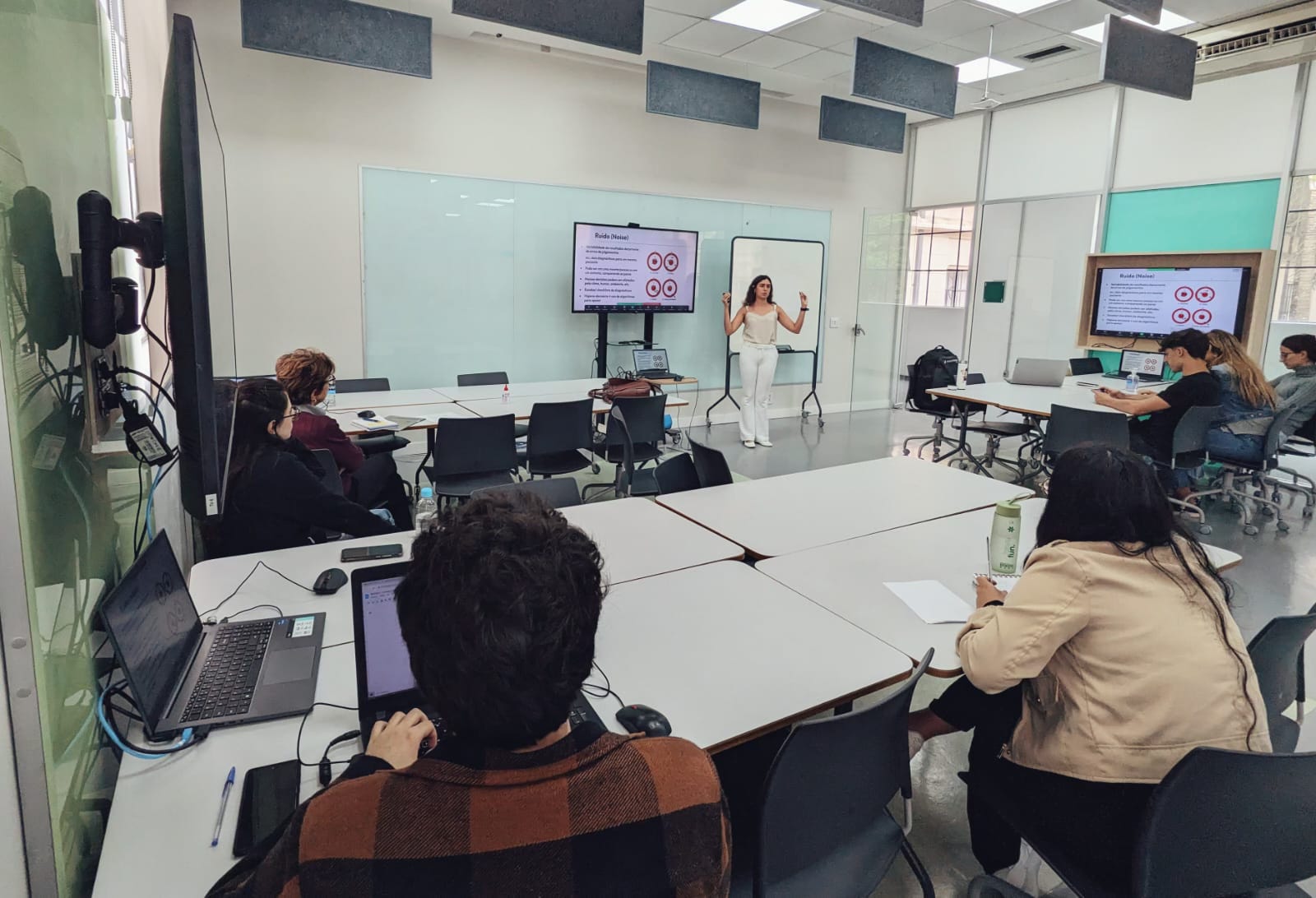
Practitioners trained in this methodology have experience applying it to sustainable weight loss, longevity and aging, wellbeing and mental health, financial health and balance, study routines, athletic performance, and managing major life changes. Know someone who could benefit from this kind of support? Share this piece with them.
Here at the Institute, we're committed to promoting health behavior change across the population — whether at scale, through interventions in public policy and organizations, or at the interpersonal level.
Until next time!
References
Michie, S., Richardson, M., Johnston, M., Abraham, C., Francis, J., Hardeman, W., Eccles, M. P., Cane, J., & Wood, C. E. (2013). The behavior change technique taxonomy (v1) of 93 hierarchically clustered techniques. Annals of Behavioral Medicine, 46(1), 81–95.
Marques, M. M., Wright, A. J., Corker, E., Johnston, M., West, R., Hastings, J., Zhang, L., & Michie, S. (2024). The Behaviour Change Technique Ontology: Transforming the Behaviour Change Technique Taxonomy v1. Wellcome Open Research, 8, 308.
Enjoyed this? Subscribe to Café Comportamental for weekly essays in Portuguese, or explore more in Resources.